


If you want to start business in 2026, you need the right strategy, planning, and execution from day one.
Starting a business in 2026 is both exciting and challenging. Opportunities are bigger than ever, but competition is also more intense. With rapid changes in technology, customer behavior, and market trends, entrepreneurs need to be smarter, faster, and more strategic.
Many new businesses fail not because the idea is bad, but because the execution is weak. That’s why having a clear plan and the right approach is essential.
In this guide, you’ll learn 7 practical tips to start a successful business in 2026, with simple steps you can apply immediately — even if you’re just getting started.
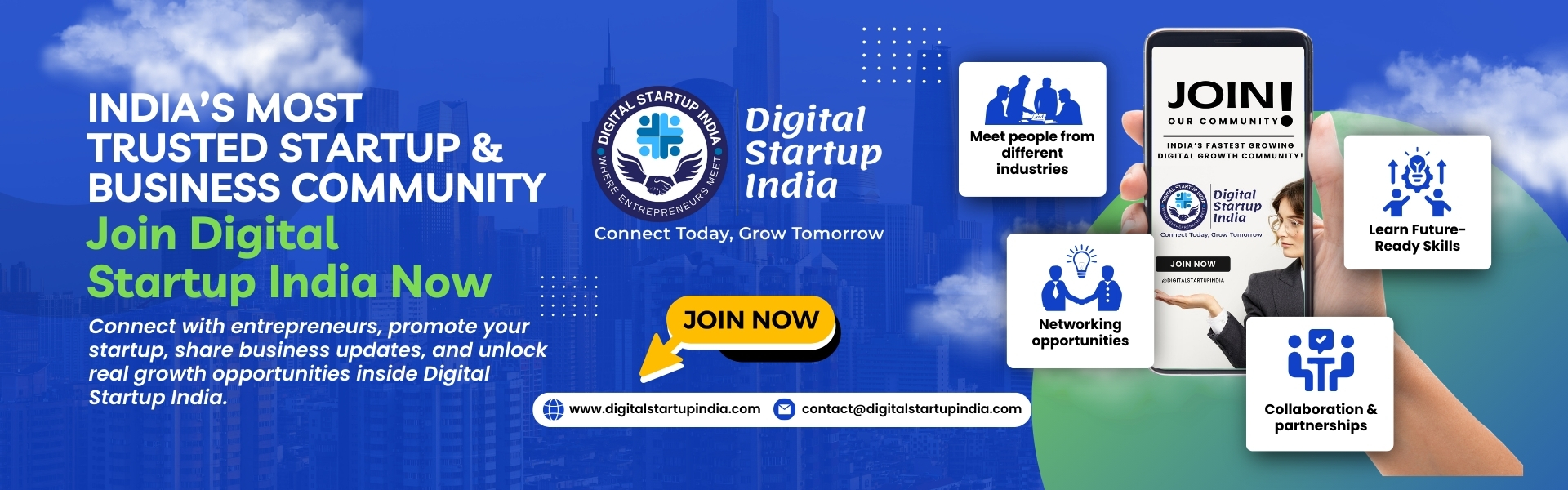
Entrepreneurs and startup founders connecting through the Digital Startup India community, a growing platform in India where business owners, innovators, and professionals collaborate, share ideas, showcase businesses, and explore new opportunities for growth in the digital economy. Digital Startup India supports startups, MSMEs, and entrepreneurs across India by providing networking, knowledge sharing, digital tools, and a collaborative environment to build sustainable and scalable businesses.
1. Start with a Problem, Not Just an Idea
Most beginners focus on “business ideas.” But successful businesses solve real problems.
Ask yourself:
-
- What problem am I solving?
-
- Who is facing this problem?
-
- Are people willing to pay for the solution?
Example:
Instead of starting a generic clothing brand →
Start a brand solving affordable, high-quality office wear for Tier-2 cities
👉 The clearer the problem, the easier your business growth.
2. Validate Your Idea Before Investing
One of the biggest mistakes is investing money without testing the idea.
7 Critical Small Business Trends 2026 Every Owner Must Watch Now
Simple validation methods:
-
- Talk to 10–20 potential customers
-
- Run a small Instagram page
-
- Create a landing page and collect interest
-
- Offer a trial or pre-order
Why this matters:
You avoid wasting time and money on something that doesn’t work.
👉 Validation = Risk reduction
3. Focus on Digital First Approach
In 2026, every business is a digital business, whether offline or online.
Must-have digital basics:
-
- Website or landing page
-
- Google presence
-
- Social media profiles
-
- Online payment options
Practical tip:
Start small:
-
- Instagram + WhatsApp + simple website
👉 Don’t wait for perfection — launch fast, improve later.
4. Build a Simple and Scalable Business Model
Avoid complex setups in the beginning.
Keep it simple:
-
- Clear product/service
-
- Clear pricing
-
- Clear customer segment
Example:
❌ Complex: 10 services for 5 industries
✅ Simple: 1 service for 1 niche (e.g., social media for local restaurants)
How to Start a Small Business in India
Why?
Simple businesses:
-
- Are easier to manage
-
- Scale faster
-
- Reduce confusion
5. Manage Cash Flow from Day One
Many startups fail due to poor cash flow — not lack of profit.
Basic rules:
-
- Track every expense
-
- Avoid unnecessary spending
-
- Maintain at least 3–6 months buffer
-
- Get paid faster (advance payments if possible)
Smart tip:
Focus on revenue early, not just branding.
👉 Cash flow = Business survival
7 Proven Cash Flow Management for Small Businesses in India (2026)
6. Build a Strong Personal Brand
People trust people more than businesses — especially in the early stage.
How to build your brand:
-
- Share your journey on LinkedIn / Instagram
-
- Post valuable insights
-
- Show behind-the-scenes
-
- Educate your audience
Result:
-
- More trust
-
- More visibility
-
- More opportunities
👉 In 2026, your personal brand is your biggest asset.
7. Learn, Adapt, and Stay Consistent
The business environment is changing fast. What works today may not work tomorrow.
What you should do:
-
- Keep learning new skills
-
- Listen to customer feedback
-
- Improve continuously
Reality check:
Success doesn’t come overnight.
👉 Consistency beats talent in the long run.
Benefits & Challenges
Benefits of Starting a Business in 2026
-
- Access to digital tools and AI
-
- Low startup costs (many businesses need minimal investment)
-
- Global reach from day one
-
- Flexible working opportunities
❌ Common Challenges
-
- High competition
-
- Lack of clarity in early stages
-
- Financial pressure
-
- Marketing difficulties
🔧 How to Overcome Challenges
-
- Start small and test ideas
-
- Focus on one niche
-
- Build a support network
Best Practices for New Entrepreneurs
✔ Start Lean
Don’t over-invest in the beginning.
✔ Focus on Customer Experience
Happy customers = repeat business
✔ Use Free & Low-Cost Tools
Leverage tools for:
-
- Marketing
-
- Design
-
- Automation
✔ Track Everything
Measure:
-
- Sales
-
- Expenses
-
- Growth
✔ Network Actively
Connect with:
-
- Entrepreneurs
-
- Mentors
-
- Communities
Real-World Example
A small home-based food business started with:
-
- WhatsApp orders
-
- Instagram promotion
Within 6 months:
-
- Built a loyal customer base
-
- Expanded to online delivery
-
- Increased monthly revenue steadily
👉 No big investment — just smart execution
Summary / Key Takeaways
Starting a business in 2026 is not about having the “perfect idea.” It’s about taking action with the right strategy.
Key lessons:
-
- Solve real problems
-
- Validate before investing
-
- Go digital from day one
-
- Keep your model simple
-
- Manage cash flow carefully
-
- Build your personal brand
-
- Stay consistent and adaptable
👉 Small steps, done consistently, lead to big results.

Related Posts

July 12, 2026
DPIIT Recognition Explained: Is It Worth It for Your Startup?
Learn 5 effective return policy strategies that help increase repeat customers, improve customer trust, and…

July 12, 2026
Profitability Over Fundraising: Why Startups Are Rethinking Growth
Learn 5 effective return policy strategies that help increase repeat customers, improve customer trust, and…