


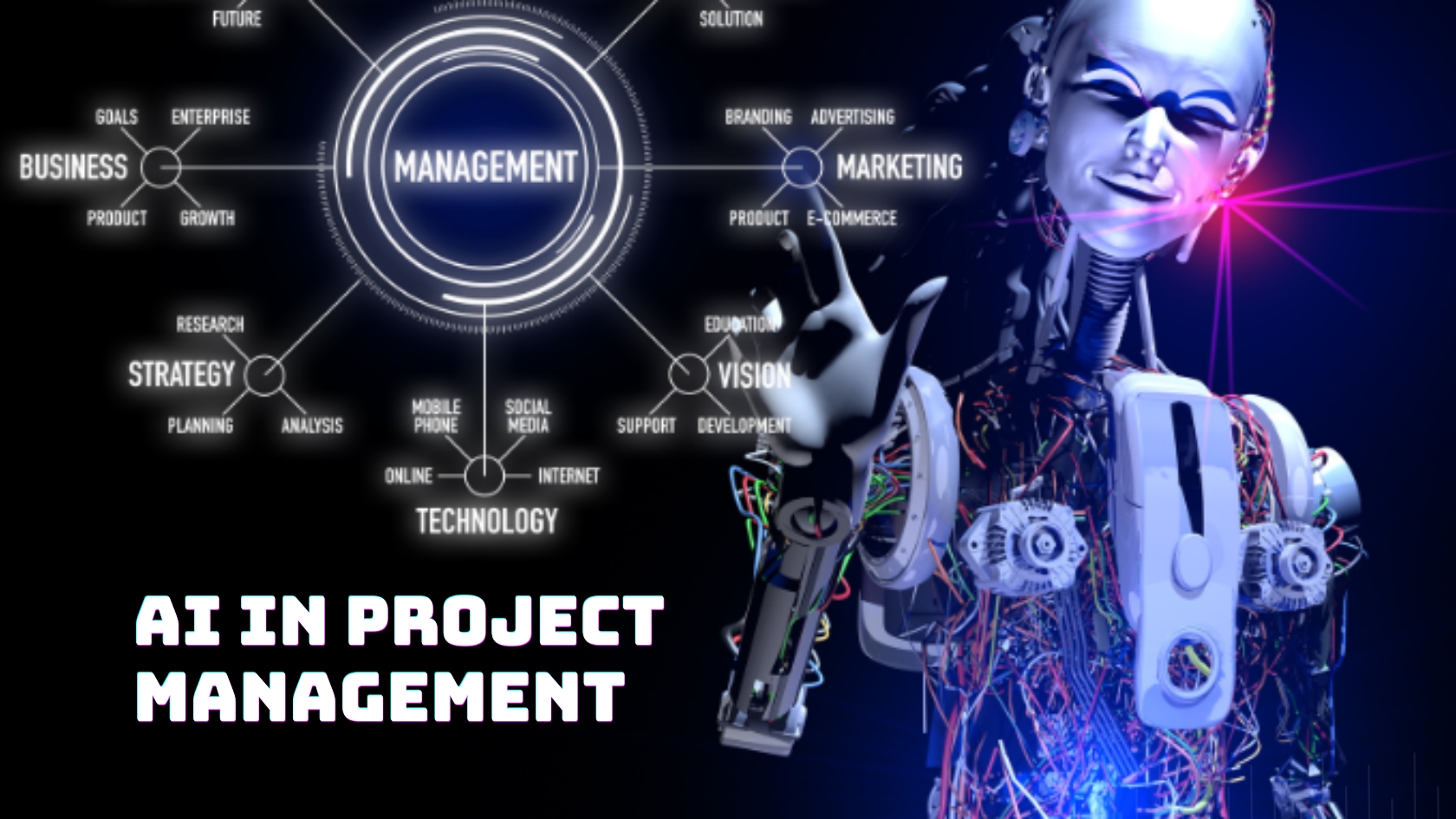
AI in Project Management: 8 Incredible Ways to Automate Your Workflow
Table of Contents
- AI in Project Management: 8 Incredible Ways to Automate Your Workflow
Introduction
Managing projects in 2026 is more complex than ever. Teams are distributed, deadlines are tighter, and expectations are higher. Yet many businesses still rely on manual processes, spreadsheets, and guesswork. This often leads to missed deadlines, poor communication, and inefficient workflows.
This is where AI in Project Management is changing everything. By combining automation with intelligent decision-making, AI is helping teams work smarter, not harder. From scheduling tasks to predicting risks, AI-powered tools are transforming how projects are planned and executed.
If you want to stay competitive, understanding how to use AI in Project Management is no longer optional—it’s essential.
What is AI in Project Management?
AI in Project Management refers to the use of artificial intelligence technologies to automate, optimize, and improve project-related tasks. These systems analyze data, identify patterns, and make decisions with minimal human intervention.
Traditional vs AI-Powered Project Management
Traditional project management relies heavily on manual planning, human judgment, and static tools. While effective to some extent, it often struggles with complexity and scale.
AI-powered project management, on the other hand, uses data-driven insights. It adapts to changing conditions, predicts outcomes, and automates repetitive tasks. This makes it faster, more accurate, and more efficient.
Real-World Relevance
Today, businesses are using Smart PM Tools powered by AI to handle everything from scheduling to reporting. These tools are especially useful in fast-paced environments where quick decisions and flexibility are critical.

How AI Works in Project Management
Understanding how AI in Project Management works is essential if you want to use it effectively in real-world scenarios. At its core, AI transforms raw project data into actionable insights and automated workflows. Instead of relying only on manual planning and guesswork, AI enables a smarter, data-driven approach to managing projects.
Data Collection
The process begins with data collection. AI systems gather information from multiple sources such as project timelines, team performance metrics, task completion rates, communication logs, and historical project records.
This continuous flow of data gives AI a complete picture of how projects are executed. The more data the system collects, the better it becomes at understanding patterns and improving performance over time.
Data Analysis
Once the data is collected, the next step is analysis. AI algorithms process large volumes of data to identify trends, inefficiencies, and potential bottlenecks.
For example, the system might detect that certain tasks are consistently delayed or that specific team members are overloaded. This level of insight is difficult to achieve manually, especially in complex projects.
By analyzing patterns, AI in Project Management helps teams understand what is working and what needs improvement.
Prediction
One of the most powerful features of AI is its ability to predict future outcomes. Based on past data and current trends, AI can forecast project timelines, identify risks, and estimate resource requirements.
For instance, if a project shows signs of delay, the system can alert managers early. This allows teams to take corrective action before the issue becomes critical.
Prediction turns project management from a reactive process into a proactive one, which is a major advantage in fast-paced environments.
Automation
The final step is automation. AI uses the insights gained from data analysis and prediction to automate repetitive and time-consuming tasks.
This includes scheduling meetings, assigning tasks, generating reports, and sending notifications. By automating these activities, teams can focus on strategic work rather than routine operations.
Overall, automation improves efficiency, reduces manual errors, and ensures smoother project execution.

8 Incredible Ways AI is Transforming Project Management
1. Automated Task Scheduling
Manual scheduling often leads to confusion, missed deadlines, and inefficient workflows. AI in Project Management simplifies this by automatically creating schedules based on priorities, dependencies, and team availability.
For example, AI tools analyze deadlines and workloads to assign tasks in the most efficient way. If a delay occurs, the system can instantly adjust the schedule.
This ensures that projects stay on track while reducing the burden on project managers.
2. Smart Resource Allocation
Resource allocation is a complex task that requires balancing skills, availability, and workload. AI makes this process more accurate and efficient.
By analyzing team data, AI suggests the best way to assign resources to tasks. It ensures that no team member is overworked while maintaining productivity.
This leads to better Resource Optimization, improved team performance, and more successful project outcomes.
3. Risk Prediction and Management
Risk management is one of the most critical aspects of project management. With AI in Project Management, risks can be identified before they become serious problems.
AI analyzes historical data and current project trends to detect warning signs. For example, it can predict if a project is likely to miss its deadline or exceed its budget.
This allows managers to take preventive action, reducing the impact of risks and ensuring smoother project delivery.
4. Automated Reporting and Insights
Creating reports manually is time-consuming and often results in outdated information. AI eliminates this problem by generating real-time reports automatically.
Modern AI Project Tools provide dashboards that display key metrics such as progress, performance, and deadlines. These insights help stakeholders stay informed at all times.
With automated reporting, decision-making becomes faster and more accurate.
5. AI-Powered Decision Making
Decision-making is at the heart of project management, and AI enhances this process significantly.
Instead of relying solely on experience or intuition, managers can use data-driven insights provided by AI. These insights help identify the best course of action in complex situations.
As a result, projects benefit from better planning, fewer errors, and improved outcomes.
6. Workflow Automation
Repetitive tasks can slow down productivity and create unnecessary delays. AI solves this problem through Workflow Automation.
For example, when a task is completed, the system can automatically notify the next team member, update the project status, and trigger the next action.
This seamless flow of work reduces manual intervention and keeps projects moving efficiently.
7. Agile AI and Sprint Planning
Agile teams often face challenges in sprint planning and backlog management. AI simplifies these processes by analyzing past performance and suggesting improvements.
With Agile AI, teams can create more accurate sprint plans and adjust quickly to changing requirements. AI also helps prioritize tasks based on urgency and impact.
This leads to better collaboration, faster delivery, and more successful Agile projects.
8. Chatbots and Virtual Assistants
AI-powered chatbots and virtual assistants are becoming an essential part of modern project management.
These tools help teams by answering questions, providing updates, and managing routine tasks. For example, a chatbot can remind team members about deadlines or share project status instantly.
This improves communication, reduces delays, and enhances overall productivity.
The integration of AI in Project Management is transforming how projects are planned, executed, and delivered. From data collection and analysis to prediction and automation, AI brings intelligence into every stage of the project lifecycle.
By enabling automated scheduling, smart resource allocation, and real-time insights, AI helps teams work more efficiently and make better decisions. As businesses continue to adopt AI-driven tools, project management will become faster, smarter, and more reliable.
In the coming years, AI in Project Management will not just support workflows—it will redefine how successful projects are delivered.

Benefits of AI in Project Management
The adoption of AI in Project Management offers several important benefits. One of the biggest advantages is increased efficiency. By automating repetitive tasks, teams can focus on more strategic work.
AI also improves accuracy. Since decisions are based on data rather than guesswork, the chances of errors are reduced. This leads to better project outcomes.
Another key benefit is time-saving. Tasks that once took hours can now be completed in minutes. This allows teams to meet deadlines more easily.
Finally, AI enhances decision-making. With access to real-time insights, managers can make smarter and faster decisions.
Challenges and Limitations
Despite its advantages, AI in Project Management comes with certain challenges.
One major limitation is data dependency. AI systems require large amounts of high-quality data to function effectively. Without proper data, their performance may be limited.
Cost is another factor. Implementing AI tools can be expensive, especially for small businesses.
There is also resistance to change. Teams may hesitate to adopt new technologies, especially if they are unfamiliar with AI.
Additionally, over-reliance on automation can be risky. Human judgment is still essential in many situations.
Future of AI in Project Management (2026 and Beyond)
The future of AI in Project Management looks promising. As technology evolves, AI tools will become more advanced and accessible.
One major trend is the integration of AI with Agile methodologies. This will make project management more flexible and adaptive.
Another trend is the growth of AI-powered tools that offer end-to-end project management solutions.
In the coming years, businesses that adopt AI early will gain a competitive advantage. AI will not replace project managers but will enhance their capabilities.
Conclusion
AI in Project Management is transforming how teams plan, execute, and deliver projects. By automating workflows, improving decision-making, and reducing risks, AI is making project management more efficient and effective.
From automated scheduling to intelligent resource allocation, the impact of AI is already visible across industries.
As we move forward, adopting AI in Project Management will be key to staying competitive in a fast-changing world. The future belongs to those who embrace automation and innovation.
Now is the time to explore AI-powered tools and take your project management skills to the next level.

Empowering India’s Entrepreneurs Through AI-Driven Education and Innovation.
Faq’s
What is AI in Project Management?
AI in Project Management refers to the use of artificial intelligence to automate tasks, analyze data, and improve decision-making in project workflows. It helps teams manage projects more efficiently with less manual effort.
How does AI improve project management efficiency?
AI improves efficiency by automating repetitive tasks like scheduling, reporting, and communication. It also provides real-time insights, helping teams make faster and more accurate decisions.
What are some common AI tools used in project management?
Common AI-powered tools include smart scheduling systems, resource management tools, chatbots, and analytics dashboards. These tools help streamline workflows and improve productivity.
Is AI in Project Management suitable for small businesses?
Yes, many AI project tools are scalable and affordable, making them suitable for small businesses. They help teams save time, reduce costs, and manage projects more effectively.
What are the risks of using AI in Project Management?
Some risks include high implementation costs, data privacy concerns, and over-reliance on automation. It is important to balance AI use with human judgment.