

7 Benefits of Facebook Marketing for Business Growth in 2026
Table of Contents
-
7 Benefits of Facebook Marketing for Business Growth in 2026
- Introduction
- What Is Facebook Marketing?
- How Facebook Marketing Works
-
Key Features of Facebook Marketing
- Increased Brand Awareness and Online Visibility
- Better Customer Engagement and Communication
- Cost-Effective Advertising for Small Businesses
- Improved Lead Generation and Sales Opportunities
- Strong Audience Insights and Analytics
- Enhanced Local Business Marketing
- Multi-Platform Integration Through Meta Ecosystem
- Challenges and Limitations of Facebook Marketing
- Real-World Use Cases of Facebook Marketing
- Facebook Marketing vs Other Social Media Platforms
- Future Trends in Facebook Marketing in 2026
- Final Thoughts on Facebook Marketing
Introduction
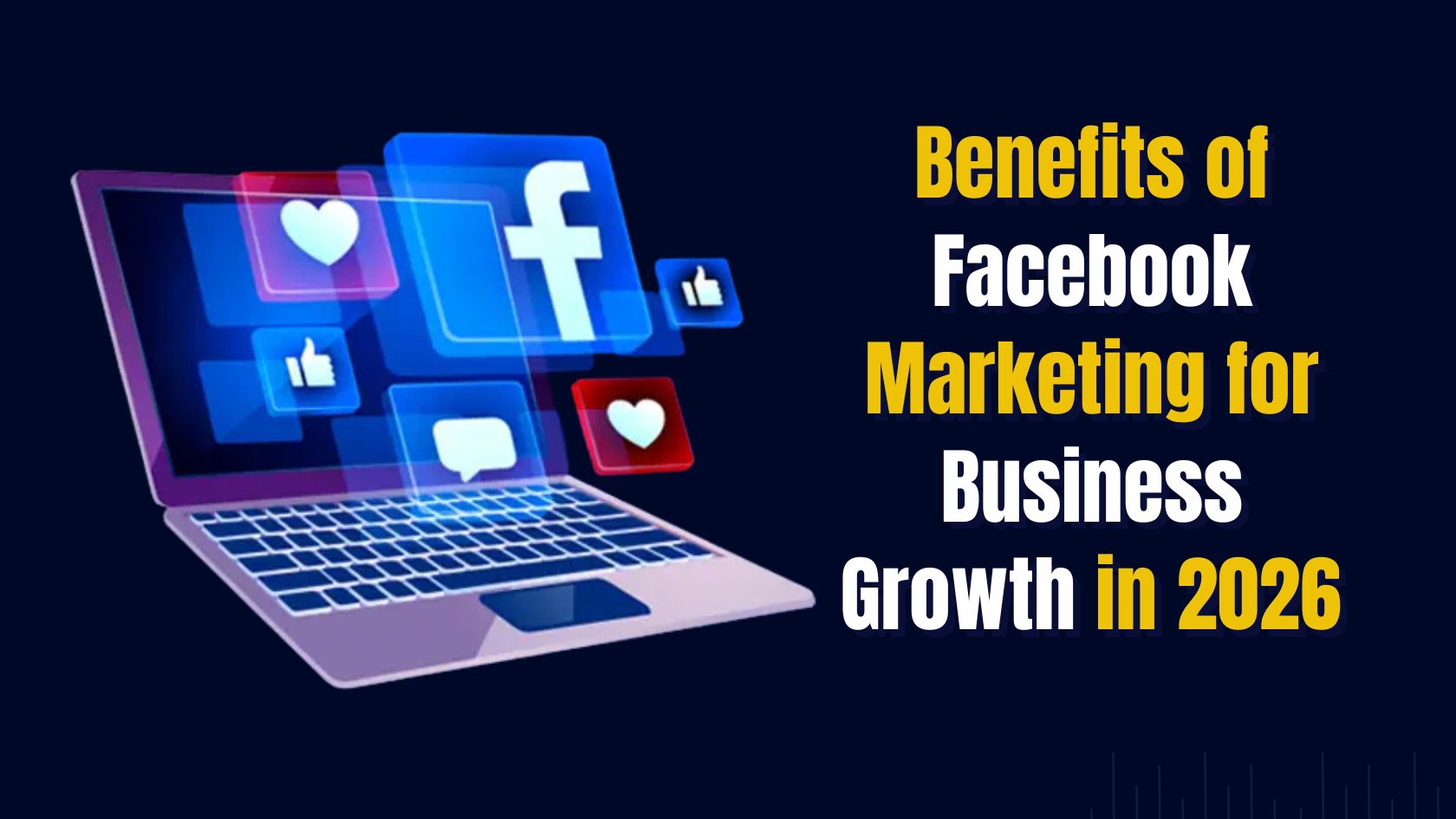
In today’s competitive digital landscape, businesses are constantly searching for effective ways to reach more customers, improve visibility, and increase revenue. Social media platforms have completely changed how brands interact with audiences, and among all platforms, Facebook marketing continues to remain one of the most powerful tools for business growth in 2026.
Many businesses assume Facebook is only useful for posting updates or running occasional advertisements. However, modern Facebook marketing is much more than that. It has evolved into a complete digital ecosystem that helps brands build customer relationships, improve brand awareness, generate quality leads, increase website traffic, and boost conversions through highly targeted strategies.
Whether you run a small local business, startup, eCommerce brand, or large company, Facebook provides opportunities to connect directly with your ideal audience. With billions of active users, advanced audience targeting, AI-powered advertising tools, and integrated communication features, Facebook allows businesses to market products and services more efficiently than traditional advertising methods.
The biggest challenge for businesses today is not simply being online. The real challenge is standing out in front of the right audience. This is where Facebook marketing creates a significant advantage. Businesses that understand how to use Facebook strategically can build long-term customer trust while achieving measurable business growth.
What Is Facebook Marketing?
Facebook marketing refers to the process of promoting a business, product, service, or personal brand using Facebook’s digital platform and advertising tools. It includes both organic marketing strategies and paid advertising campaigns designed to attract users, increase engagement, and drive customer actions.
Organic Facebook marketing focuses on creating and sharing valuable content through Facebook business pages, stories, groups, and videos. Businesses use these methods to interact with audiences naturally and build relationships over time.
Paid Facebook marketing involves using Facebook Ads Manager to run targeted campaigns for specific business goals such as lead generation, sales, website traffic, app downloads, or customer engagement. Businesses can target users based on interests, demographics, online behavior, purchase intent, location, and many other factors.
Facebook marketing has become one of the most effective forms of digital marketing because it combines large-scale audience reach with highly detailed targeting capabilities. Instead of showing advertisements to random users, businesses can reach people who are already interested in their products or services.
In simple terms, Facebook marketing helps businesses connect with potential customers in a smarter, faster, and more cost-effective way.
How Facebook Marketing Works
Facebook marketing works through a combination of content distribution, audience engagement, advertising technology, and machine learning algorithms. Businesses create content or advertisements, and Facebook’s system delivers that content to users based on relevance and user behavior.
When a business publishes content on its Facebook page, the platform’s algorithm analyzes engagement signals such as comments, reactions, shares, watch time, and click-through rates. Content that generates meaningful interaction is shown to more users.
At the same time, businesses can use Meta Ads Manager to create paid advertising campaigns. These campaigns allow businesses to define objectives, choose target audiences, set budgets, and monitor performance metrics.
One major reason why Facebook marketing is so powerful is its audience targeting system. Businesses can target users based on:
interests
age
gender
profession
shopping behavior
device usage
online activity
geographic location
This precision helps businesses improve marketing efficiency and reduce wasted advertising costs.
Facebook marketing also integrates with Instagram, Messenger, and WhatsApp through Meta’s ecosystem. This creates a connected digital marketing environment where businesses can manage communication, advertisements, and customer engagement from a single platform.
Key Features of Facebook Marketing
One of the biggest strengths of Facebook marketing is the variety of tools available for businesses. Facebook is no longer just a social networking site. It has transformed into a complete marketing platform designed to support businesses of all sizes.
Facebook Business Pages act as digital storefronts where businesses can showcase products, publish updates, share videos, collect customer reviews, and communicate directly with audiences. For many small businesses, the Facebook page becomes an important part of their online presence.
Facebook Ads Manager gives advertisers detailed campaign control. Businesses can create campaigns focused on brand awareness, engagement, website traffic, lead generation, or sales conversions. The platform also provides advanced analytics that help marketers understand audience behavior and campaign performance.
Facebook Groups have become increasingly valuable for community building. Businesses now create niche communities where customers can interact, ask questions, and engage in discussions. This helps brands establish trust and long-term customer relationships.
Another important feature is Facebook Messenger integration. Businesses can automate customer support, answer inquiries quickly, and improve communication efficiency using messaging tools and chat automation.
In 2026, AI-driven advertising optimization is also playing a major role. Facebook now uses machine learning to help businesses improve targeting, ad delivery, and campaign performance automatically.
Increased Brand Awareness and Online Visibility
One of the biggest benefits of Facebook marketing is improved brand awareness. With billions of active users globally, Facebook gives businesses access to a massive audience that traditional advertising channels often cannot match.
When businesses consistently publish engaging and valuable content, they remain visible in front of their target audience. Over time, this repeated visibility improves brand recognition and customer familiarity.
For example, a local restaurant sharing behind-the-scenes videos, customer experiences, and new menu launches can attract local audiences and increase brand trust. Customers are more likely to remember businesses they interact with regularly online.
Brand awareness is especially important in competitive industries where customers have multiple options. Businesses that maintain a strong Facebook presence often stay top-of-mind when customers are ready to make purchasing decisions.
Better Customer Engagement and Communication
Modern consumers expect brands to communicate directly and respond quickly. Facebook marketing allows businesses to interact with audiences in real time through comments, messages, live videos, and community discussions.
Unlike traditional advertising, Facebook creates two-way communication between businesses and customers. This interaction helps businesses build trust, improve relationships, and understand customer preferences more effectively.
When businesses reply to comments and messages consistently, customers feel valued and connected. This improves customer loyalty and strengthens long-term relationships.
Facebook’s engagement-focused algorithm also rewards content that generates conversations. Posts with meaningful interaction often receive more visibility, helping businesses grow organically without relying entirely on paid advertising.
Cost-Effective Advertising for Small Businesses
Traditional advertising methods such as television commercials, newspaper ads, and billboards can be expensive, especially for startups and small businesses. Facebook marketing offers a more affordable alternative with measurable results.
Businesses can start advertising with relatively small budgets while still reaching highly targeted audiences. This flexibility makes Facebook ideal for businesses with limited marketing resources.
Instead of paying for broad exposure, businesses can focus specifically on audiences most likely to convert into customers. This improves return on investment and reduces wasted ad spend.
Another major advantage is performance tracking. Facebook Ads Manager provides detailed analytics that help businesses understand which campaigns are generating the best results. Marketers can optimize campaigns continuously based on real data rather than assumptions.
Improved Lead Generation and Sales Opportunities
Facebook marketing is highly effective for lead generation because it allows businesses to connect with users who are already interested in related products or services.
Lead generation campaigns can collect customer information such as email addresses, phone numbers, booking requests, and consultation inquiries directly through Facebook forms. This reduces friction and improves conversion rates.
Retargeting is another powerful feature. Businesses can reconnect with users who previously visited their website, interacted with ads, or engaged with social media content. Since these audiences are already familiar with the brand, they are more likely to convert into paying customers.
For eCommerce businesses, Facebook marketing also supports dynamic product ads, abandoned cart retargeting, and personalized shopping experiences that increase sales opportunities.

Strong Audience Insights and Analytics
Understanding customer behavior is essential for long-term marketing success. Facebook provides valuable audience insights that help businesses make smarter marketing decisions.
Businesses can analyze:
audience demographics
engagement behavior
content performance
ad conversions
customer interests
These insights help marketers identify what content resonates most with audiences and which campaigns drive the best results.
Instead of relying on guesswork, businesses can create data-driven strategies that improve engagement, conversions, and customer satisfaction over time.
Analytics also help businesses understand changing customer behavior trends, allowing them to adapt marketing strategies more effectively.
Enhanced Local Business Marketing
Facebook marketing is extremely valuable for local businesses that want to attract nearby customers. Local targeting allows businesses to reach audiences within specific cities, regions, or neighborhoods.
Restaurants, salons, gyms, healthcare clinics, retail stores, and service providers can use Facebook to improve local visibility through location-based campaigns, customer reviews, and community engagement.
Many users now discover businesses through Facebook recommendations and local groups. A strong Facebook presence helps businesses improve local trust and customer discovery.
Businesses can also use Facebook Events and local promotions to drive foot traffic and increase offline sales opportunities.
Multi-Platform Integration Through Meta Ecosystem
One major advantage of Facebook marketing is its integration with Instagram, Messenger, and WhatsApp. Businesses can manage multiple communication and advertising channels from a single platform.
This integration improves customer experience by allowing businesses to maintain consistent branding and communication across platforms.
For example, a business can run advertisements simultaneously on Facebook and Instagram while managing customer inquiries through Messenger and WhatsApp.
This connected ecosystem helps businesses streamline marketing operations and improve efficiency.

Challenges and Limitations of Facebook Marketing
Although Facebook marketing offers significant advantages, businesses also face several challenges.
Organic reach has declined over the years due to increased competition and algorithm updates. Businesses now often need paid advertising support to achieve consistent visibility.
Advertising costs can also increase in highly competitive industries. Poor targeting or weak creatives may lead to low campaign performance and wasted budgets.
Another challenge is content saturation. Millions of businesses publish content daily, making it harder for brands to stand out. Businesses must focus on high-quality, engaging, and audience-focused content to remain competitive.
Privacy regulations and data tracking limitations have also changed digital advertising strategies. Businesses now need stronger first-party data strategies and ethical marketing practices.
Despite these challenges, businesses that focus on authenticity, customer value, and strategic content creation continue achieving strong results through Facebook marketing.
Real-World Use Cases of Facebook Marketing
Facebook marketing supports businesses across many industries and business models.
eCommerce brands use Facebook ads to increase online sales and retarget abandoned cart users. Educational institutions promote webinars, online courses, and admissions campaigns through lead generation ads.
Healthcare clinics use Facebook to educate audiences, share health tips, and generate appointment bookings. Restaurants use social media content to showcase menu items and seasonal offers.
Service-based businesses such as agencies, freelancers, and consultants use Facebook marketing to build authority, attract leads, and improve customer trust.
This versatility is one reason why Facebook remains one of the most widely used digital marketing platforms globally.
Facebook Marketing vs Other Social Media Platforms
While platforms like Instagram, LinkedIn, TikTok, and YouTube continue growing rapidly, Facebook remains unique because it combines audience targeting, community building, advertising, analytics, and customer communication within one ecosystem.
Instagram focuses heavily on visual branding and short-form content. LinkedIn performs strongly for professional networking and B2B marketing. TikTok excels in viral entertainment content, while YouTube dominates long-form educational videos.
Facebook, however, offers a balanced mix of:
audience reach
advertising power
lead generation
community engagement
retargeting
analytics
This makes it highly versatile for businesses across different industries.
Future Trends in Facebook Marketing in 2026
Facebook marketing is evolving rapidly with artificial intelligence, automation, and conversational commerce becoming increasingly important.
AI-powered campaign optimization now helps businesses improve targeting, audience prediction, and ad delivery automatically. Short-form video content continues dominating engagement across Facebook and Instagram.
Businesses are also investing more in conversational marketing through Messenger and WhatsApp automation. Customers now expect instant communication and personalized experiences.
Community-driven marketing through Facebook Groups is becoming more valuable as users seek authentic brand interactions rather than overly promotional content.
Privacy-focused marketing strategies and first-party customer data collection are also shaping the future of Facebook advertising.
Final Thoughts on Facebook Marketing
Facebook marketing continues to be one of the most effective digital marketing strategies for business growth in 2026. Its combination of audience targeting, customer engagement, advertising tools, analytics, and multi-platform integration gives businesses powerful opportunities to grow online.
Success on Facebook is no longer about posting random content or boosting occasional advertisements. Businesses must focus on creating meaningful customer experiences, understanding audience behavior, and delivering consistent value.
Brands that prioritize authenticity, engagement, and strategic content creation will continue benefiting from Facebook marketing for years to come.
If your business wants stronger visibility, better customer engagement, higher-quality leads, and scalable online growth, investing in a well-planned Facebook marketing strategy is no longer optional — it is essential.

Boost your business growth in 2026 with the power of smart Facebook marketing strategies.
Faq’s
What is Facebook marketing?
Facebook marketing is the process of promoting a business, product, or service using Facebook’s platform through organic content, paid advertisements, groups, videos, and customer engagement strategies.
Why is Facebook marketing important for businesses in 2026?
Facebook marketing remains important in 2026 because it offers advanced audience targeting, AI-powered advertising, strong customer engagement tools, and access to billions of active users worldwide.
How does Facebook marketing help business growth?
Facebook marketing helps businesses grow by increasing brand awareness, generating leads, improving customer engagement, driving website traffic, and boosting online sales through targeted campaigns.
Is Facebook marketing effective for small businesses?
Yes, Facebook marketing is highly effective for small businesses because it allows them to reach targeted audiences with flexible advertising budgets and measurable campaign performance.
What is the difference between organic and paid Facebook marketing?
Organic Facebook marketing involves posting content naturally to engage audiences without advertising costs, while paid Facebook marketing uses sponsored ads to reach targeted users and achieve specific business goals.