Categories
- AI Tools & Technology 66
- Business Growth & Scaling 33
- Business Insights 8
- Business Registration & Compliance 4
- Business Segments 9
- Cybersecurity 1
- Digital Marketing for Startups 11
- Digital Startup India 37
- Ecosystem & Insights 1
- Events & Networking 5
- Finance 1
- Founder Playbooks & Case Studies 1
- Founder Stories 4
- Funding 5
- Government Schemes 5
- Growth 5
- Her Story 4
- Jobs & Careers 5
- Learning & Skills 5
- Marketing 5
- MSME & Small Business 2
- Startup Ecosystem & Insights 3
- Startup Funding & Investment 1
- Startup Guides 7
- Startup News 4
- Tech & Innovation 4
- Technology 5
- Trending News 4
- Uncategorized 0
Recent Posts





Table of Contents
14 Extraordinary Boring Businesses Making Huge Profits
Introduction
The world's biggest companies rarely succeed because they invent something entirely new. More often, they win because they recognize a shift in consumer habits before everyone else.
Amazon anticipated the move from physical stores to online shopping.
Netflix saw that audiences wanted streaming instead of scheduled television.
Uber realized convenience would matter more than owning a car for many urban consumers.
None of these companies created demand from scratch. They identified changes in how people lived, spent, and made decisions, then built products around those changes.
For entrepreneurs, this lesson is invaluable.
The next billion-dollar opportunity is usually hidden inside everyday behavior. Small changes in how people shop, communicate, travel, learn, or manage their health often become the foundation for entirely new industries.
Technology may accelerate innovation, but lasting businesses are built by understanding people. Markets evolve because customer expectations evolve, and founders who recognize those shifts early are often rewarded with enormous competitive advantages.
If you're searching for your next startup idea, stop asking which technology is trending.
Start by asking a simpler question:
How are people changing?
The answer may reveal opportunities your competitors haven't noticed yet.
Why Understanding Consumer Habits Creates Better Businesses
Every successful business solves a real problem.
The most valuable companies solve problems that millions of people are only beginning to recognize.
Those opportunities emerge when buying behavior, customer expectations, and daily routines begin to change.
People no longer shop the same way they did a decade ago.
They consume entertainment differently.
They expect faster delivery.
They prefer digital payments.
They research products before making purchasing decisions.
Each behavioral shift creates new gaps in the market.
Companies that identify those gaps early often become industry leaders.
Consider Spotify.
It didn't invent music.
It adapted to changing listening habits.
Airbnb didn't invent travel.
It transformed unused homes into accommodations because travelers wanted more flexible and affordable options.
DoorDash didn't create restaurants.
It made ordering food significantly easier for busy consumers.
These businesses succeeded because they paid close attention to changing consumer habits, not because they invented entirely new markets.
For entrepreneurs, understanding customer behavior is often a greater competitive advantage than simply following the latest technology trend.
1. Convenience Has Become the Ultimate Competitive Advantage
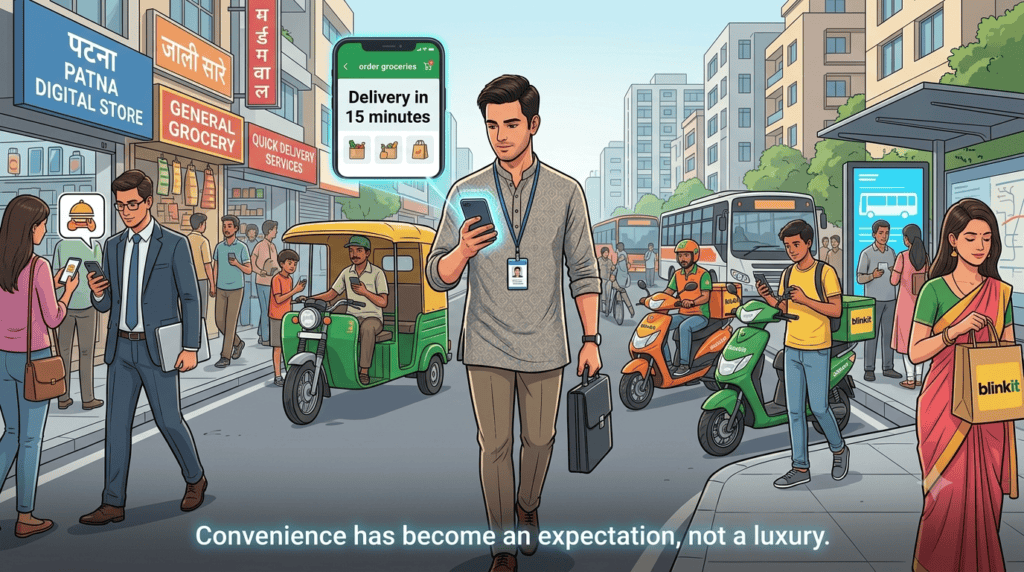
Modern consumers value convenience more than ever before.
Saving time has become just as important as saving money.
People expect groceries delivered within hours.
Online checkouts should take seconds.
Appointments should be booked instantly.
Long waiting times and unnecessary steps create frustration that many customers simply won't tolerate.
This shift explains why businesses focused on convenience continue attracting customers at remarkable speed.
Quick commerce.
Food delivery.
Buy Now, Pay Later services.
One-click purchasing.
Subscription businesses.
Automated customer support.
All of these industries grew because they removed friction from everyday experiences.
For entrepreneurs, convenience isn't just another feature.
It's a business strategy.
Companies that simplify routine tasks often enjoy higher customer satisfaction, stronger retention, and more repeat purchases than competitors offering similar products.
Sometimes the biggest innovation isn't inventing something new.
It's making an existing process dramatically easier.
2. Wellness Is Becoming Part of Everyday Life
Health is no longer viewed only as medical care.
It's becoming part of everyday living.
Consumers are investing in healthier lifestyles long before health problems arise.
Interest in nutritious food, wearable technology, mental wellness, sleep improvement, fitness programs, and preventive healthcare continues to grow worldwide.
This shift has transformed wellness into one of the fastest-growing industries across multiple sectors.
Businesses are responding with personalized nutrition plans.
Digital fitness platforms.
Meditation apps.
Health-tracking devices.
Preventive healthcare services.
Consumers increasingly choose brands that support long-term wellbeing rather than simply treating illness.
For founders, this represents more than a passing trend.
As populations become increasingly health-conscious, opportunities continue expanding across healthcare, food, technology, insurance, and education.
Businesses that genuinely improve quality of life are likely to remain relevant for years to come.
3. Experiences Are Replacing Material Possessions
Consumer priorities are changing.
Many people now value memorable experiences more than accumulating physical possessions.
Instead of buying another product, they're spending on travel, concerts, workshops, premium dining, adventure activities, and unique local experiences.
Social media has accelerated this trend by encouraging people to share memorable moments rather than simply showcasing purchases.
This behavioral shift has fueled rapid growth across tourism, hospitality, entertainment, and event-based businesses.
Experience-driven companies also benefit from stronger emotional connections with customers.
People may forget where they bought a product.
They rarely forget an unforgettable trip or exceptional dining experience.
For entrepreneurs, this creates opportunities beyond traditional retail.
Businesses that deliver meaningful experiences often generate stronger customer loyalty, higher referrals, and greater pricing power than businesses competing primarily on cost.
4. Trust Is Becoming More Valuable Than Advertising
Consumers have more information than ever before.
Before making a purchase, many people compare reviews, watch product demonstrations, read customer feedback, and seek recommendations from creators they already trust.
Traditional advertising still influences buying decisions.
However, credibility increasingly determines whether customers complete a purchase.
This explains the rapid rise of creator-led brands, influencer partnerships, customer review platforms, affiliate marketing, and community-driven commerce.
People trust authentic experiences more than polished marketing campaigns.
Businesses that consistently deliver quality products, transparent communication, and reliable customer service build stronger reputations over time.
For entrepreneurs, trust should be viewed as a long-term asset rather than a marketing tactic.
A loyal customer who recommends your business is often more valuable than thousands of advertising impressions.
Companies that invest in credibility today are far more likely to earn sustainable growth tomorrow.
5. Personalization Is No Longer Optional
Modern consumers expect businesses to understand their preferences.
Generic experiences are quickly being replaced by personalized recommendations, tailored products, and customized services.
Whether it's a streaming platform suggesting your next favorite show or an online store recommending products based on previous purchases, personalization has become part of everyday customer expectations.
Advances in data analytics and artificial intelligence have made this possible, but technology is only the tool.
The real driver is changing consumer behavior.
Customers are more likely to engage with brands that save them time by offering relevant choices instead of endless options.
This trend has transformed industries including e-commerce, banking, healthcare, education, and entertainment.
Businesses now personalize everything from skincare routines and investment portfolios to online learning paths and travel recommendations.
For entrepreneurs, personalization is no longer a premium feature reserved for large corporations.
Customers increasingly expect businesses of every size to deliver experiences that feel relevant and individual.
Companies that invest in understanding their audience often enjoy higher customer satisfaction, stronger loyalty, and increased lifetime value.

6. Sustainability Is Influencing Purchasing Decisions
Environmental awareness has moved from a niche concern to a mainstream buying factor.
Consumers are asking more questions before making purchases.
Where was this product made?
Is the packaging recyclable?
Does the company follow ethical sourcing practices?
Can the product be reused or repaired?
Businesses that answer these questions transparently are building stronger relationships with environmentally conscious customers.
Sustainability is no longer limited to renewable energy or electric vehicles.
It now influences fashion, food, cosmetics, construction, logistics, packaging, and manufacturing.
Consumers increasingly reward companies that reduce waste, improve transparency, and demonstrate genuine environmental responsibility.
This shift has opened opportunities for startups focused on eco-friendly packaging, recycled materials, circular economy solutions, sustainable agriculture, and clean technology.
For entrepreneurs, sustainability should be viewed as both a responsibility and a competitive advantage.
Brands that combine environmental responsibility with excellent products are earning long-term customer trust.
7. Digital Payments Have Become the New Standard
The way people pay has changed dramatically over the past decade.
Cash is no longer the default option for millions of consumers.
Today, customers expect transactions to be fast, secure, and effortless.
Whether shopping online, ordering food, or paying at a local store, digital payment methods have become an essential part of everyday life.
Mobile wallets, contactless cards, QR code payments, and embedded financial services have simplified the purchasing process.
As payment experiences become smoother, consumers are less tolerant of businesses that create unnecessary friction.
Companies that offer multiple payment options often experience higher conversion rates and lower cart abandonment.
The opportunity extends well beyond financial technology companies.
Retailers, healthcare providers, travel businesses, educational platforms, and subscription services all benefit from simplifying the payment experience.
Entrepreneurs who reduce complexity at checkout often increase both customer satisfaction and revenue without changing their core product.
8. The Pet Economy Continues to Expand
Pets have become integral members of many households.
This emotional connection has transformed pet care into one of the fastest-growing consumer markets worldwide.
Today's pet owners spend significantly more than previous generations.
Premium nutrition.
Health insurance.
Veterinary care.
Smart tracking devices.
Luxury accessories.
Professional grooming.
Pet-friendly travel.
The market continues expanding because spending on pets is often driven by emotional attachment rather than necessity alone.
As disposable incomes rise, owners increasingly prioritize comfort, health, and quality of life for their animals.
This has created opportunities across healthcare, retail, technology, hospitality, and insurance.
Entrepreneurs entering the pet economy don't need to compete with established brands on price alone.
Innovative products, specialized services, subscription models, and technology-driven solutions continue finding loyal audiences.
For founders seeking resilient markets, the pet industry offers consistent growth supported by changing lifestyles and long-term consumer demand.
9. Financial Wellness Is Becoming a Daily Priority
People are becoming more intentional about how they earn, spend, save, and invest their money.
Rising living costs, economic uncertainty, and easier access to financial education have encouraged consumers to take greater control of their finances.
Budgeting apps.
Investment platforms.
Retirement planning.
Credit monitoring.
Personal finance newsletters.
Digital banking.
These services have moved from niche products to everyday essentials.
Consumers now expect financial tools that are simple, transparent, and easy to use.
They want instant insights into spending habits, automated savings, and personalized recommendations that help them make smarter financial decisions.
This shift has created opportunities for startups across fintech, education, insurance, and wealth management.
For entrepreneurs, financial wellness is no longer a specialized market.
It is becoming a fundamental part of modern life, creating long-term demand for businesses that help people manage money more effectively.
10. Communities Are Becoming Stronger Than Audiences
Growing a large audience is valuable.
Building a loyal community is even more powerful.
Consumers increasingly want to connect with brands that share their interests, values, and goals.
Whether through private memberships, online forums, social groups, or exclusive events, people enjoy belonging to communities where they feel heard and valued.
This shift explains the success of creator memberships, niche newsletters, online learning platforms, gaming communities, and subscription-based businesses.
Unlike traditional audiences, communities encourage conversation instead of one-way communication.
Members recommend products.
Answer questions.
Share experiences.
Invite others to join.
This creates a powerful cycle of trust and organic growth that advertising alone cannot replicate.
Entrepreneurs who focus on building relationships instead of simply acquiring customers often develop stronger brands and higher customer retention over time.

11. Speed Has Become a Customer Expectation
Modern consumers expect businesses to respond immediately.
Whether ordering products, booking appointments, contacting customer support, or requesting refunds, speed now plays a major role in customer satisfaction.
A slow website, delayed delivery, or lengthy checkout process can quickly send customers to competitors.
Businesses that remove delays often improve conversion rates without changing their products or prices.
Fast shipping.
Instant onboarding.
Real-time support.
Automated order tracking.
Seamless digital experiences.
These are no longer premium services.
They have become standard expectations across many industries.
For entrepreneurs, improving speed is often one of the simplest ways to create a competitive advantage.
Customers remember businesses that respect their time.
What Entrepreneurs Can Learn from Changing Consumer Behavior
Every successful company begins with a simple observation.
Someone notices that people's needs, expectations, or daily routines are evolving.
Instead of resisting those changes, they build solutions around them.
The businesses highlighted throughout this article didn't succeed because they followed temporary trends.
They succeeded because they understood how consumer behavior was evolving and acted before competitors recognized the opportunity.
Technology will continue advancing.
Markets will become more competitive.
But understanding people will always remain one of the most valuable business skills.
Entrepreneurs who regularly study customer behavior, purchasing patterns, and emerging lifestyle changes are better positioned to identify profitable opportunities before they become mainstream.
The next billion-dollar business may already be hiding in a behavioral shift that most companies have overlooked.
Conclusion
Business success has never been determined by technology alone.
The companies that dominate global markets consistently recognize changes in customer expectations before everyone else.
From convenience and personalization to sustainability, digital payments, financial wellness, and community-driven brands, today's opportunities are being shaped by evolving consumer behavior.
For founders, investors, and business leaders, the lesson is clear.
Pay close attention to how people live, shop, communicate, and make decisions.
Every meaningful shift creates new demand.
Those who identify these patterns early have the greatest chance of building products that remain relevant for years to come.
The next billion-dollar company won't simply introduce a new product.
It will solve a problem created by the way consumers are changing.
Faq's
What are consumer habits?
Consumer habits are the recurring behaviors and decision-making patterns that influence how people discover, evaluate, purchase, and use products or services.
Why should entrepreneurs study consumer habits?
Understanding consumer habits helps entrepreneurs anticipate market shifts, identify unmet customer needs, and build products that solve real problems before competitors do.
How do changing consumer habits create business opportunities?
As lifestyles, technology, and expectations evolve, new problems emerge. Businesses that solve those problems early often gain a significant competitive advantage.
Which consumer trends are driving business growth today?
Convenience, personalization, sustainability, digital payments, financial wellness, community-driven brands, and faster customer experiences are among today's most influential trends.
How can startups identify changing consumer habits?
Monitor customer feedback, industry reports, search trends, social media conversations, and purchasing data. Consistently observing how people behave is often more valuable than chasing the latest technology.
Consumer habits are the recurring behaviors and decision-making patterns that influence how people discover, evaluate, purchase, and use products or services.
Understanding consumer habits helps entrepreneurs anticipate market shifts, identify unmet customer needs, and build products that solve real problems before competitors do.
As lifestyles, technology, and expectations evolve, new problems emerge. Businesses that solve those problems early often gain a significant competitive advantage.
Convenience, personalization, sustainability, digital payments, financial wellness, community-driven brands, and faster customer experiences are among today's most influential trends.
Monitor customer feedback, industry reports, search trends, social media conversations, and purchasing data. Consistently observing how people behave is often more valuable than chasing the latest technology.